Keep Your Garage Door Working and Trouble-Free
By Nate · 2025-10-20
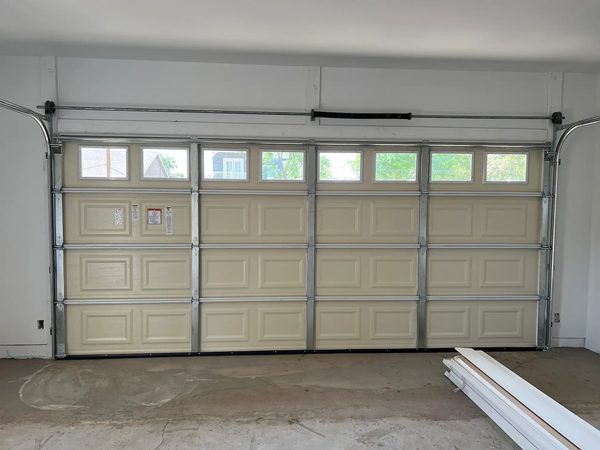
Your garage door is the largest moving part of your home, cycling up and down thousands of times a year, and a little routine maintenance goes a long way toward keeping it reliable, quiet and safe. This is especially true in the valley, where heat and dust are tough on every component.
The single most valuable habit is lubrication. Two or three times a year, apply a proper garage door lubricant, a silicone or lithium-based product made for the job, to the rollers, hinges, bearings and springs. Do not use WD-40, which is a degreaser and cleaner rather than a long-term lubricant; it can actually make things worse over time. Proper lubrication reduces noise, eases the load on the opener, and extends the life of every moving part.
Keep the safety sensors clean and aligned. The photo-eyes near the floor are easy to bump and they collect dust quickly out here. A quick wipe of the lenses every few months and a glance to confirm their indicator lights are steady will prevent a lot of nuisance reversing problems.
Listen to your door. A garage door that suddenly starts grinding, rattling or squealing is telling you something. Most often new noises mean the rollers are wearing out, and replacing them with quiet nylon rollers is an inexpensive fix that also protects the rest of the system. Catching it early is far cheaper than waiting until a roller fails and pulls the door off track.
Once a year, test the balance. With the door closed, disconnect the opener using the red release cord and lift the door by hand to about waist height, then let go. A properly balanced door will stay roughly in place. If it slams down or springs upward, the spring tension is off, which overworks the opener and shortens its life. Balance issues should be corrected by a technician because they involve the springs.
Also test the safety reversal a couple of times a year. With the opener connected, place a sturdy object like a roll of paper towels in the door path and close the door. It should touch the object and immediately reverse. If it does not, the sensors or force settings need adjustment, and that is a safety issue worth addressing promptly.
Visually inspect the cables and springs from time to time, without touching them. Look for fraying on the cables and any gap in the spring coils. These are high-tension components, so you should never try to adjust or repair them yourself, but spotting early warning signs lets you schedule service before a failure leaves you stranded.
Finally, do not ignore small problems. A door that sticks slightly, a roller that squeaks, an opener that hesitates, these are cheap to address now and expensive to ignore until they strand your car in the garage. A simple annual tune-up, where a technician lubricates, balances, aligns and safety-checks the whole system, keeps your door running smoothly for years and is one of the best-value services we offer.
None of this maintenance is complicated, and the payoff is real: a door that lasts longer, runs quieter, and is far less likely to fail when you need it most. If you would rather not do it yourself, an annual professional tune-up covers all of it, lubrication, balance, sensor alignment, hardware inspection and a full safety check, in one visit. It is inexpensive, it catches small problems early, and it is one of the smartest investments you can make in the largest moving part of your home. Call us and we will keep your door in top shape.
Need your garage door fixed today?
Talk to a real technician now for a no-pressure quote.
Answers